Why We're Changing the Way Beginners Learn Piano
For generations, learning piano has usually meant one thing: a student sitting at a piano with a teacher for a private, one-on-one lesson. And for many students, that model can work very well. But over the years, we've also learned something important: one-on-one doesn't automatically mean better especially for beginners.
Beginners need great instruction, of course. But they also need opportunities to play, experiment, practice, stay engaged, build confidence, and experience the excitement of making music. That's why we're introducing NAPP: the Nova Accelerated Piano Program. NAPP combines individual learning, teacher coaching, technology, and the energy of a collaborative environment to create a different kind of piano-learning experience.
Here's why we're so excited about it.
The Myth of One-on-One Lessons
It's easy to assume that private lessons must provide the most individual attention because the teacher is working with only one student. But there's another question worth asking: How much of that lesson is the student actually playing, practicing, and solving problems independently?
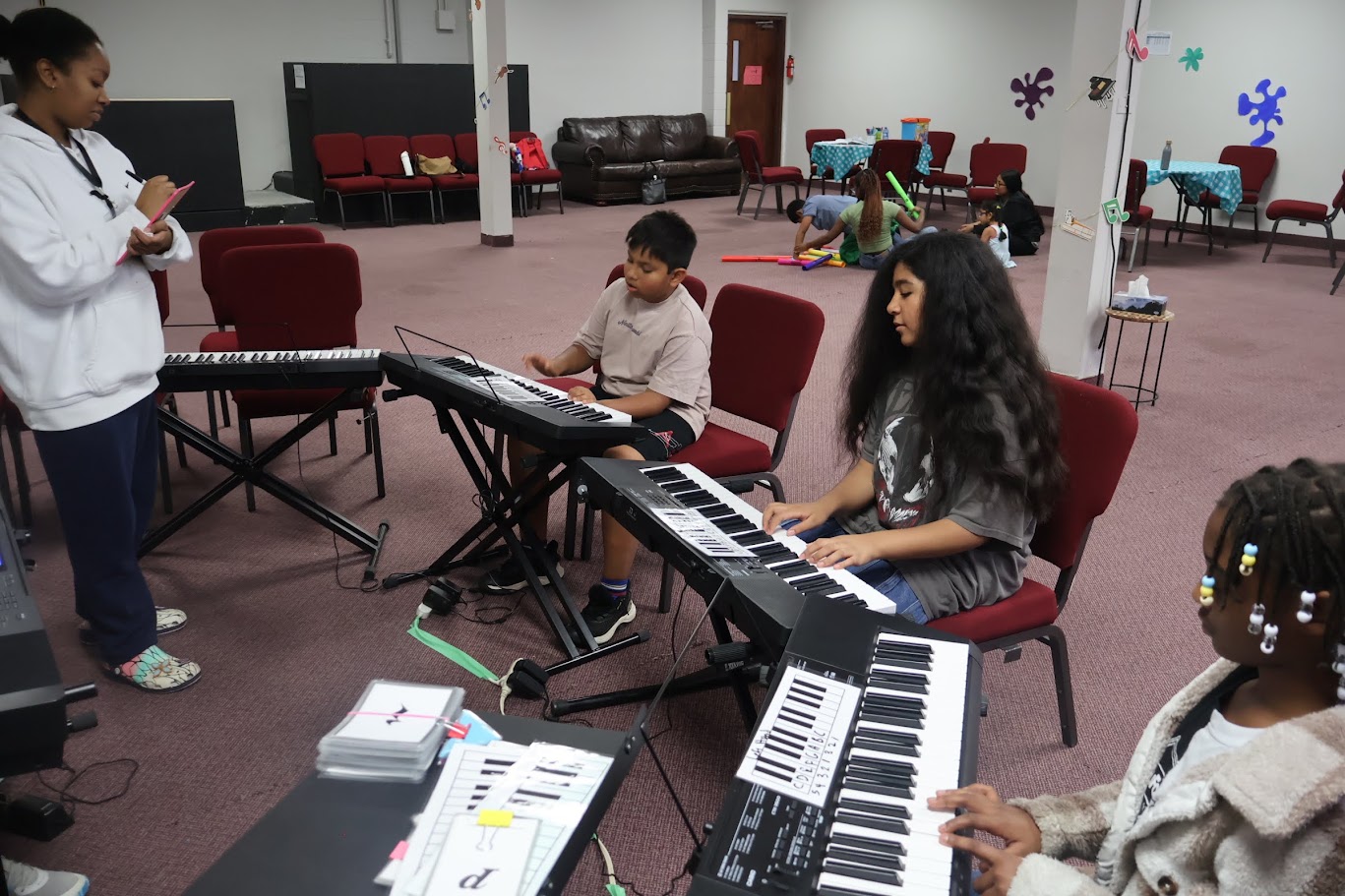
In NAPP, students aren't sitting and waiting for their turn. Each student has their own keyboard and their own material to work through. While students are actively playing, the teacher can move throughout the room, listen, observe, provide individual coaching, and step in when a student needs help.
The result is still personal instruction but within an environment where students can spend more of their time actively making music.
"Will My Child Still Receive Individual Attention?"
Absolutely.
A small-group environment doesn't mean every student receives exactly the same instruction at exactly the same time.
In fact, it gives the teacher an opportunity to observe students while they're actually working.
A teacher might spend a few minutes helping one student with rhythm, then coach another through a tricky passage,
then challenge a student who's ready to move ahead.
The goal isn't to teach the room as if everyone is one student.
The goal is to coach each student according to what they need.
"Won't My Child Get Distracted?"
This is an understandable concern.
Put several children in a room together and it might seem like there would naturally be more distractions.
But we've seen how powerful the opposite can be.
Students can become more engaged when they're participating in activities, games, challenges, and active practice rather than simply waiting for the next instruction.
There's also something motivating about learning alongside other students.
They hear someone master a song.
They see someone complete a challenge.
They celebrate each other's progress.
And suddenly, practicing piano doesn't feel like something they're doing alone.
The group becomes part of the motivation.
"My Child Learns at Their Own Pace."

Perfect! That's exactly what we want.
A collaborative environment does not mean every student needs to progress at the same speed.
Each student works at their own keyboard and progresses through material appropriate for their level.
One student might need additional time to master a concept. Another might be ready for the next challenge.
Both can happen in the same classroom.
Students can benefit from the energy of learning together without being expected to learn identically.
"Will My Child Learn Less?"
This question is actually one of the biggest reasons we're so excited about NAPP.
Because we've already had a glimpse of what this kind of learning environment can look like.
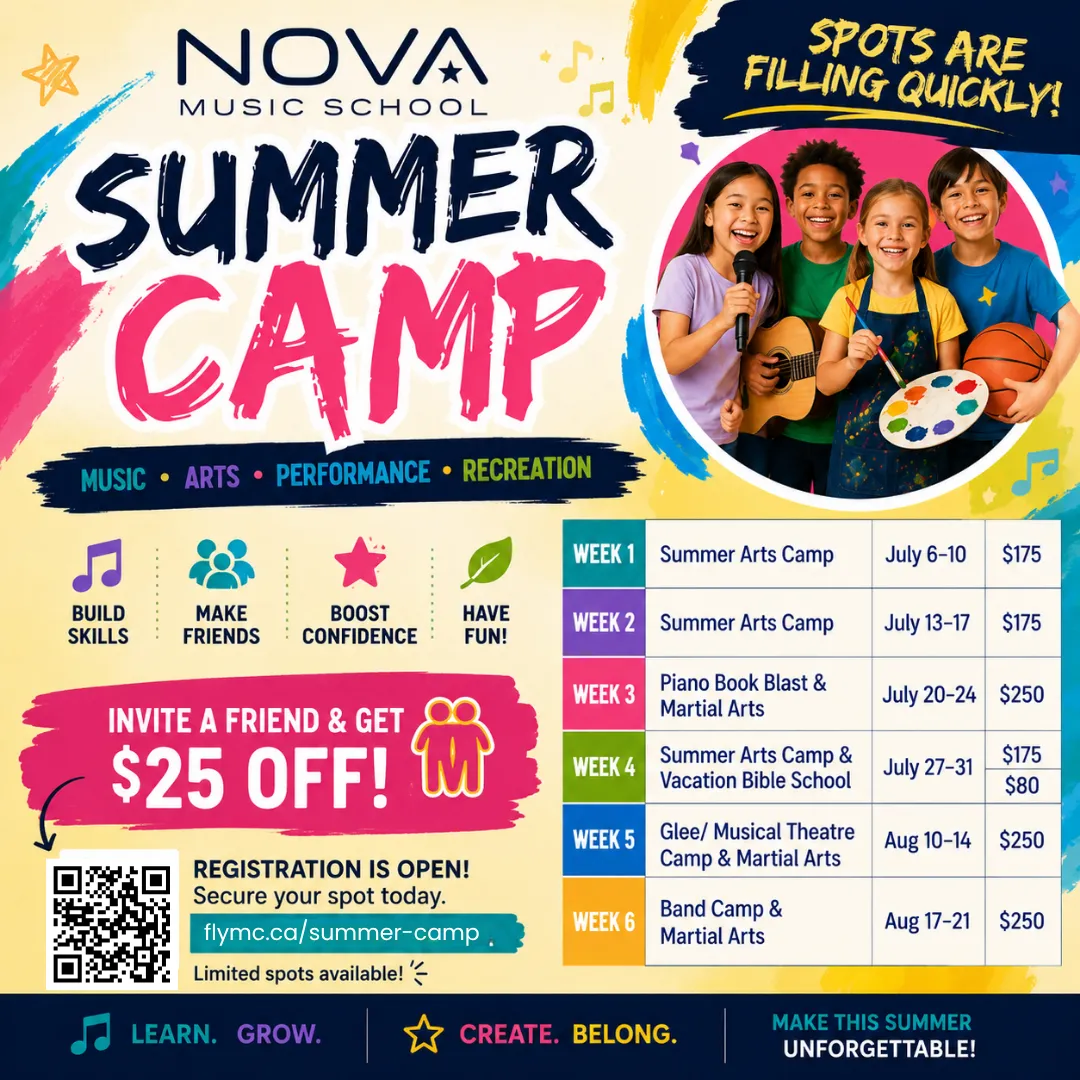
During our Piano Book Blast camps, we watched students learn piano together in a way that felt different from a traditional lesson.
They stayed engaged.
They practiced.
They encouraged one another.
They celebrated when someone accomplished something new.
And they wanted to keep going.
The energy in the room was incredible.
Students weren't just progressing they were excited about progressing.
That experience made us ask an important question:
Why should that kind of energy end when camp is over?
NAPP grew, in part, from our desire to bring that same sense of momentum, community, and excitement into students' regular piano learning.
"Why Use Technology?"

Because technology can do something incredibly valuable:
It can give the teacher more freedom to teach.
Technology doesn't replace the teacher.
It frees the teacher.
When students can receive immediate feedback while practicing certain notes, rhythms, or exercises, they don't always have to wait for the teacher to identify every small mistake.
That means the teacher can spend more time on the things technology can't replace.
Musicianship.
Expression.
Confidence.
Technique.
Problem-solving.
Encouragement.
And the individual coaching that helps a student become not just someone who can press the right keys, but someone who can make music.
Technology is a tool in the learning process.
The teacher is still the teacher.
A Different Kind of Piano Lesson
NAPP isn't about putting several students in a room and giving them all the same lesson.
It's about creating an environment where beginners can benefit from several things at once:
Individual pacing.
Personal teacher coaching.
More active playing and practice.
Immediate feedback through technology.
Games, activities, and challenges that keep learning engaging.
And the motivation that comes from learning alongside other young musicians.
Most importantly, it's about helping beginners develop a positive relationship with the piano from the very beginning.
Because learning an instrument shouldn't only be about getting through the next page in a book.
It should be about discovering what you're capable of.
It should be about building confidence.
It should be about making progress and wanting to make more.
And it should be about experiencing the joy of making music.
We're Ready for a Nova Accelerated Piano Learning Experience
We're incredibly excited about what NAPP means for our students.
We've seen what happens when students are given the opportunity to learn independently and together.
We've seen the excitement.
We've seen the encouragement.
We've seen the progress.
Now, we're bringing those ideas together into a piano program designed specifically to give beginners an engaging, supportive, and exciting place to start.
Welcome to Nova Accelerated Piano Program.
Ready to experience NAPP? Book your Week 1 session today.